


How to Tell the Difference Between Harmless and Venomous Spiders
Out of all the pests in the animal kingdom, spiders probably have the worst public image. When one scurries across the floor, most people’s first instinct is to grab the nearest shoe.
But here's the thing: not every spider deserves a bad reputation.
While a few species should be treated with caution, most of the spiders you're likely to find around your home are harmless. In fact, they're actually pretty helpful when it comes to controlling other insect populations.
The tricky part? Some common harmless spiders look strikingly similar to their venomous friends, so identifying spiders isn’t always so cut and dry. Before you assume every eight-legged visitor is dangerous, here's how to tell the difference between the spiders you should watch out for and the ones that should be spared the shoe.
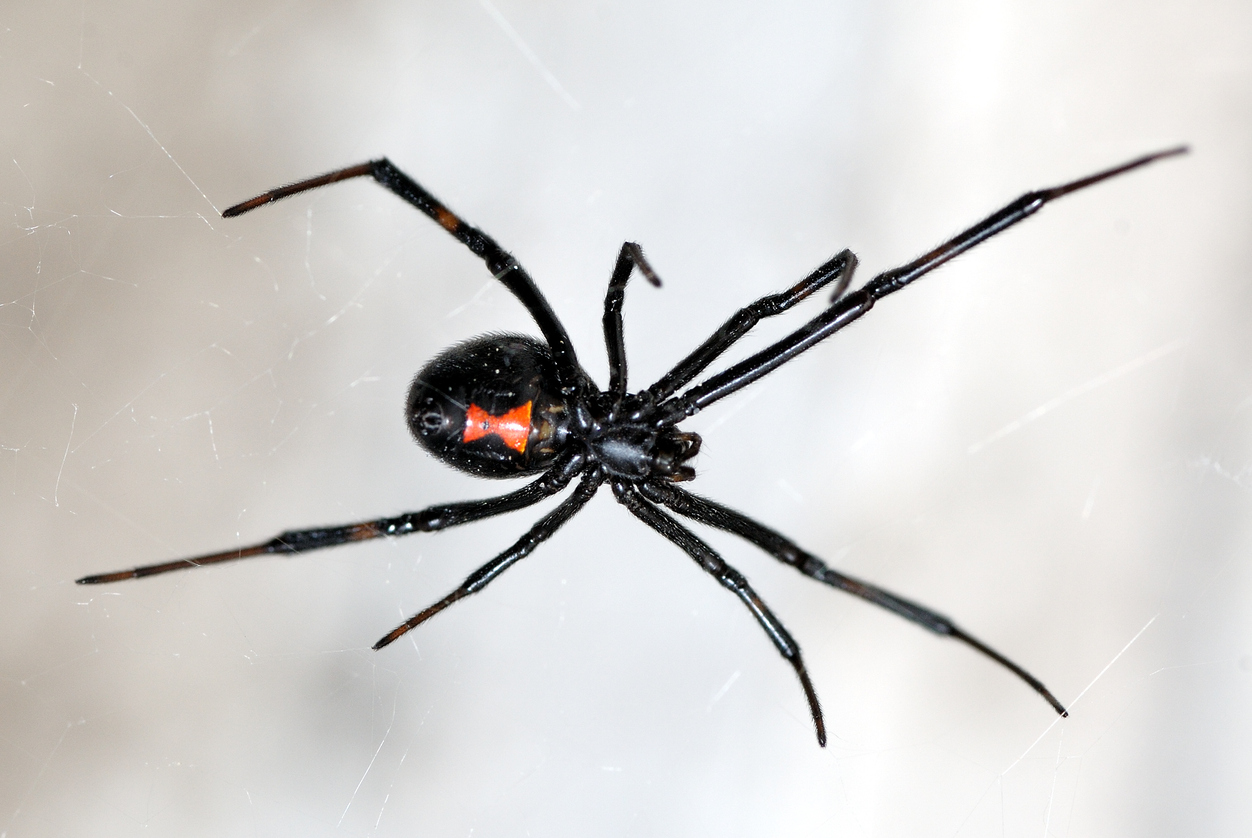
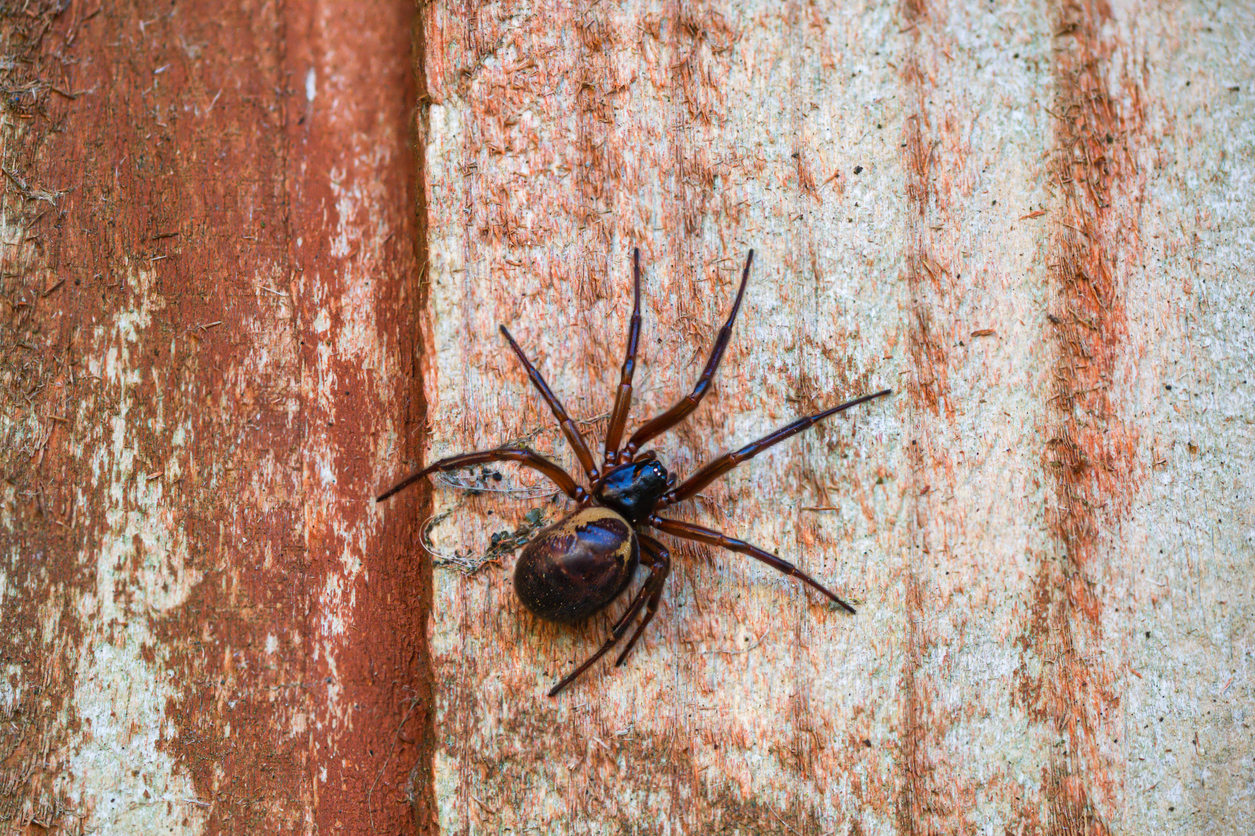
Black widow (T) and false widow (B)
Black Widow vs. False Widow Identification
In North America, black widows are one of the most recognizable common venomous spiders. But it turns out that identity theft isn’t just a people problem. Black widows have a lookalike so convincing it’s literally called the false widow.
The easiest way to spot a female black widow is by looking for the bright red or orange hourglass marking on the underside of a shiny, black abdomen. False widows are usually the same size and color, but they’re missing this distinctive shape. Instead, they often have brown, cream, or purplish markings and a less glossy appearance.
Even though false widows are much less venomous, you still shouldn’t handle one. Their bite is similar to a bee sting, so it can cause mild pain and swelling. On the other hand, a black widow bite causes intense pain, muscle cramps, nausea, and other symptoms that may require medical attention. So while both spiders deserve their space, spotting that signature hourglass can help you identify a lookalike from one that's worth taking much more seriously.
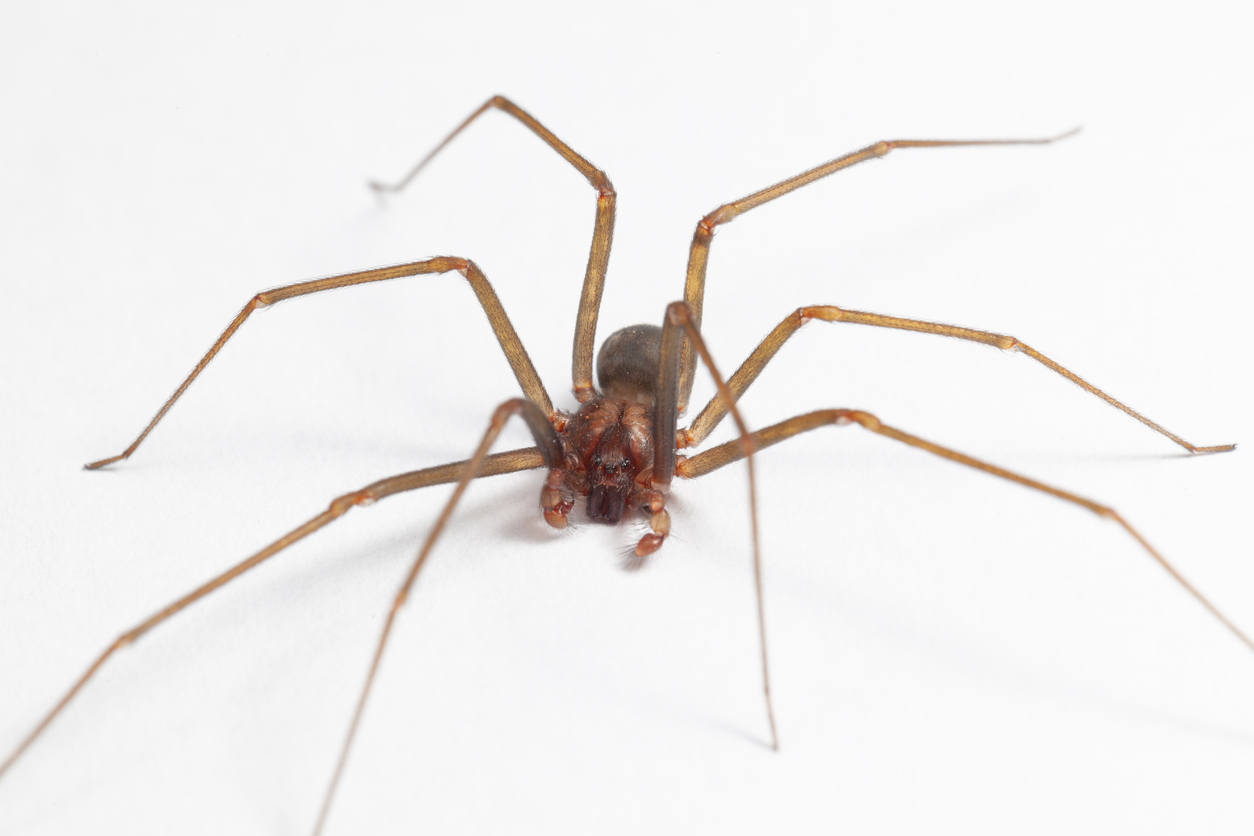
 Brown recluse (T) and southern house spider (B)
Brown Recluse vs. Southern House Spider Identification
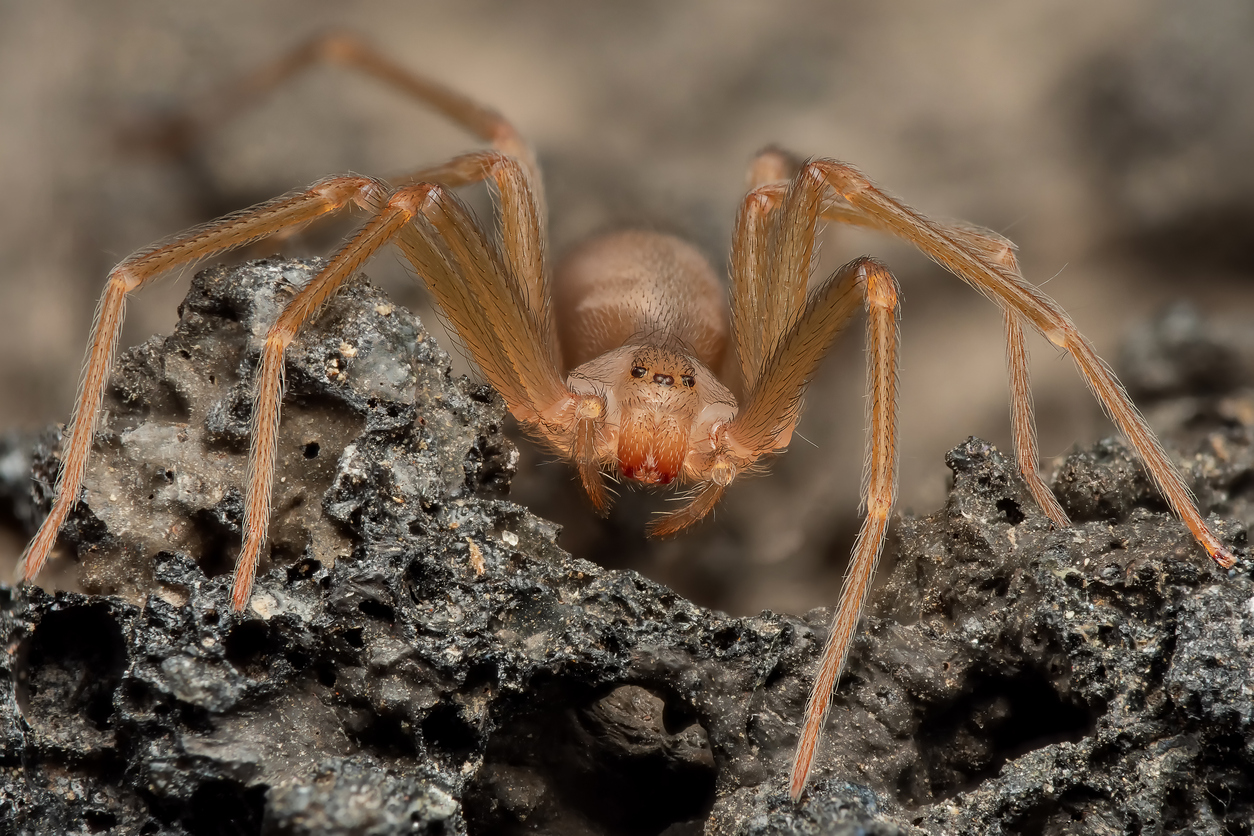
Truthfully, there are a few spiders that look like brown recluses at a glance. You’ve probably heard that these venomous spiders can be identified by the violin-shaped marking on their back. While that's true, don't expect to catch them warming up for orchestra practice. The marking is often faint, so it isn't always easy to see.
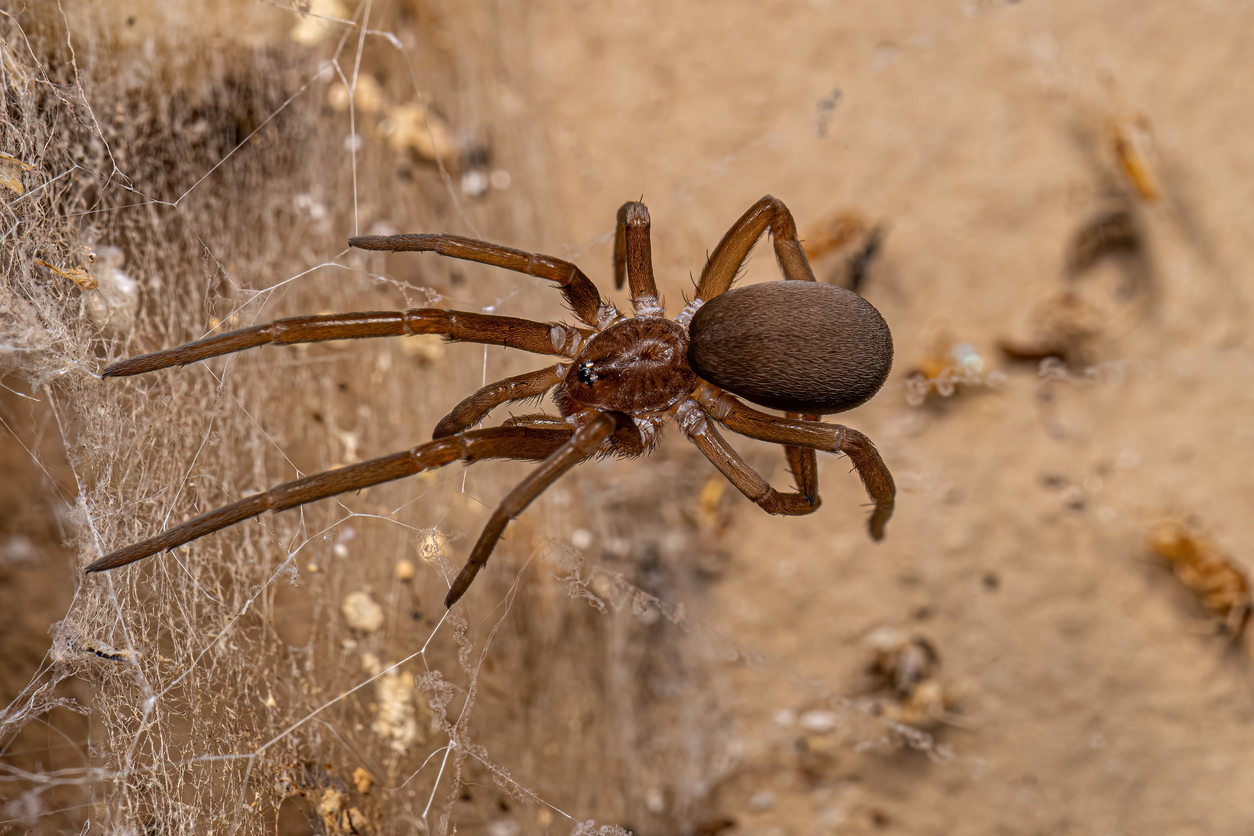
Brown recluses are fairly small with tan to light-brown bodies and long, slender legs. One lookalike, the southern house spider, is usually darker, hairier, and bulkier. However, male southern house spiders are easier to mistake for brown recluses because of their similar shape.
You can also take location into consideration. Brown recluses tend to hide in undisturbed areas like attics and storage boxes. Southern house spiders are more likely to build messy webs around other parts of your home, like windows and porches.
And when it comes to bites, there’s a big difference. Southern house spiders rarely bite, and their venom isn’t dangerous. Brown recluse bites are more serious because the venom can sometimes damage skin and surrounding tissue. If this happens, it’s important to get medical attention.
Are Common House Spiders Venomous?
Technically, almost all spiders produce venom to help them catch prey. The good news? For most species, that venom isn’t dangerous to humans.
Most common house spiders either can't bite through our skin or have venom that's too mild to cause more than minor irritation. And they're far more interested in catching insects than bothering you. That’s why spiders are great natural pest control.
In fact, a single spider can help reduce flies, mosquitoes, gnats, and other household pests. While you probably don't want dozens of spiders sharing your living room, the occasional spider is usually helping more than it's hurting.
Three Simple Rules for Identifying Spiders
Trying to identify a spider? Keep these three tips in mind:
- Don't judge by size. Big spiders may look intimidating, but many are completely harmless.
- Color isn't everything. Plenty of harmless spiders are brown or black, and markings can vary even within the same species.
- Consider where you found it. A spider's location, web, and behavior can tell you more than its appearance alone.
And remember: if you aren't completely sure what kind of spider is near your home, it's always best to admire the spider from a safe distance rather than trying to pick it up or remove it yourself.
When To Call in the Pros
Finding one spider every now and then is perfectly normal. But if you have lots of spiders around your home, it’s usually a sign of another pest problem.
If you’re regularly spotting spiders or think you have one of the common venomous spiders on your hands, contact us. We'll help identify the culprit so you don't have to become an expert at eight-legged lookalike contests.




 YouTube
 Facebook
 Twitter