


Why Rain Leads to an Insect Boom
The old saying goes that April showers bring May flowers. But when you bend down to smell the roses, you might find that a lot more has come to life in your yard than just plants.
That’s because those stretches of rainy weather that tend to happen in the spring also create the perfect conditions for pest activity. Seemingly overnight, your wet yard becomes home to mosquitoes, ants, and all kinds of other insects.
But why does rain have this effect on pests? And more importantly, what can you do about it? Here’s everything you need to know about how to protect your yards from pests this rainy season.
What Happens to Insects When It Rains?
Bugs are a lot smarter than they let on, and a sudden spring shower won’t wipe them out. In fact, most insects seek shelter during heavy rainfall by hiding under leaves, going underground, or tucking themselves into other covered nooks to wait out the storm.
Once the rain stops, though, many insects will emerge all at once, which is part of the reason why it feels like your yard is suddenly overrun. And when smaller bugs come out, it tends to attract larger predators like ants and beetles. Before you know it, there’s an entire thriving ecosystem in your backyard.
Why Rain Leads to More Bugs
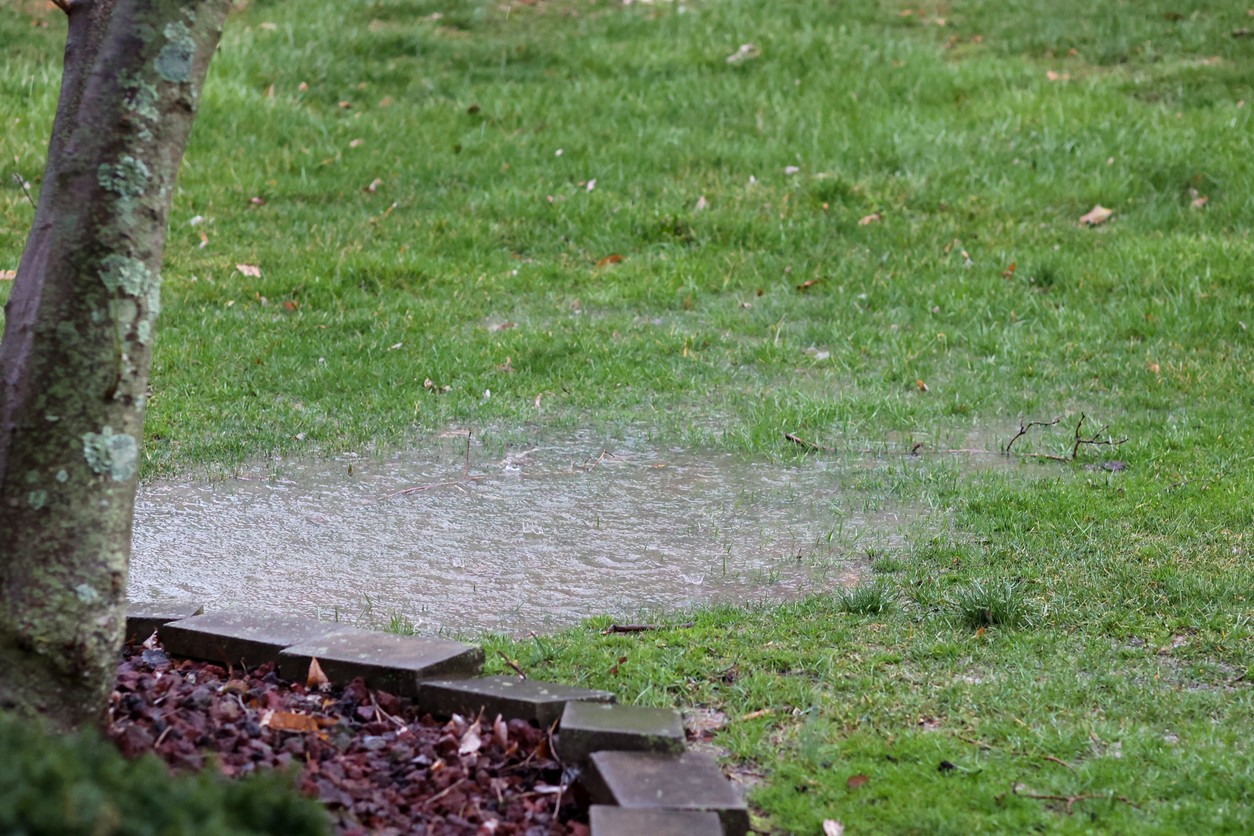
The return of existing bugs isn’t the only thing to factor in. After a heavy rain, your yard becomes a breeding ground for pests. Moist soil, standing water, and higher humidity all work together to make the bug population in your area boom.
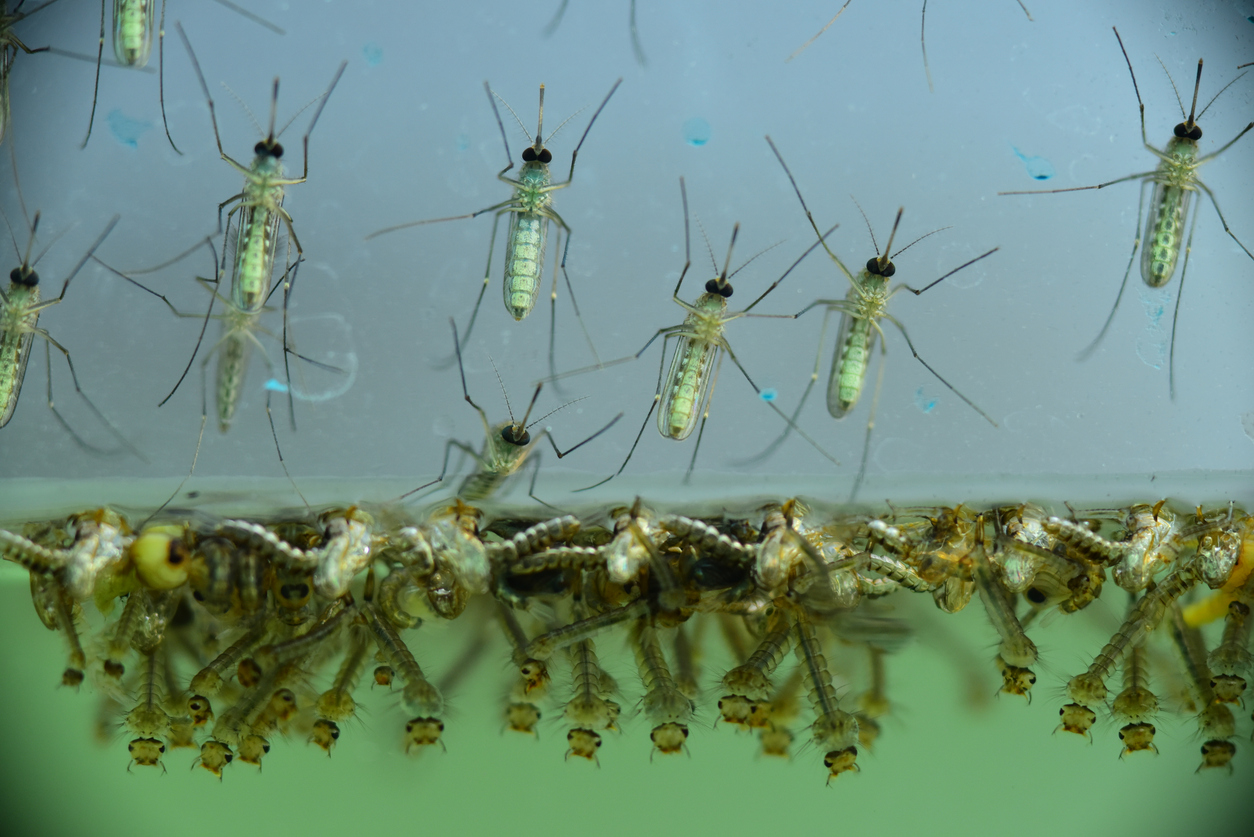
Standing water is the biggest culprit. Even small amounts like puddles, clogged gutters, or water collected in planters can be more than enough for mosquitoes. These unpopular pests lay their eggs in standing water, and they only take about 1-2 days to hatch. A similar process happens with gnats, which is why you see more flying bugs after rain.
Warm, humid air also makes it easier for these insects to stay active. So if you’re out trying to enjoy a calm evening after a storm, you’ll probably notice it’s especially buggy outside.
How Rain Affects Ants
There’s another bug that has a close relationship with wet weather.
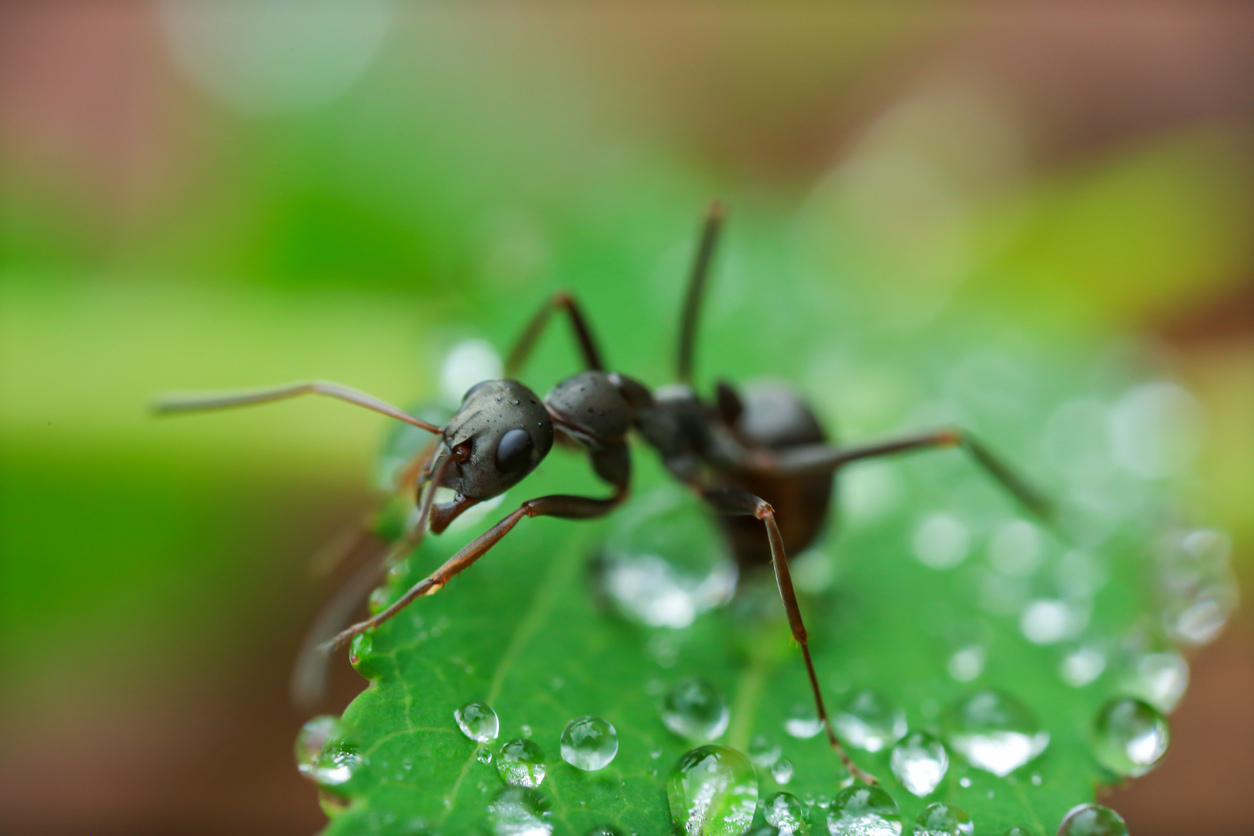
If you’ve ever noticed an uptick in ants after rain, there’s a reason. When the ground becomes too wet, underground ant colonies can flood. To survive, ants have to abandon ship. Sometimes, that means they end up seeking shelter in your home.
Dry, protected spaces like kitchens and garages are the perfect spots for ants to set up a new shop. These invaders often get into your home through gaps and cracks in your exterior or foundation. That’s why it’s common to see a trail of ants in or around your home after a storm. It’s a displaced group looking for a new home.

How To Prevent a Post-Rain Pest Boom
While you can’t control the weather, you can control how your yard responds to it. Here’s what you should do after your yard gets a lot of rain.
Start by removing all standing water you can find. Dump out containers, clean gutters, and make sure water isn’t pooling anywhere around your home. It only takes a little bit of water for bugs to breed.
Keeping your yard well-maintained also goes a long way. Overgrown plants and debris serve as shelter for pests. Trim back plants that have gotten too big and rake up loose leaves and twigs that are on the ground.
If you have any areas of your yard that take a long time to dry out, pay attention to them. Improving drainage so moisture doesn’t stick around will help make your yard less appealing to pests.
Pests, Pests, Go Away
Rain might be great for your lawn and garden, but without proper care, bugs can take over fast.
If you’re dealing with high insect activity this rainy season, contact us for help. Our pest control professionals can help target your moisture issues and keep insects from making a splash.




 YouTube
 Facebook
 Twitter