


The Truth Behind How Bug Zappers Really Work
Chirp. Ribbit. Hoot. Zap.
Summer evenings have an unmistakable soundtrack. But it turns out that last sound probably shouldn’t be in your serenade.
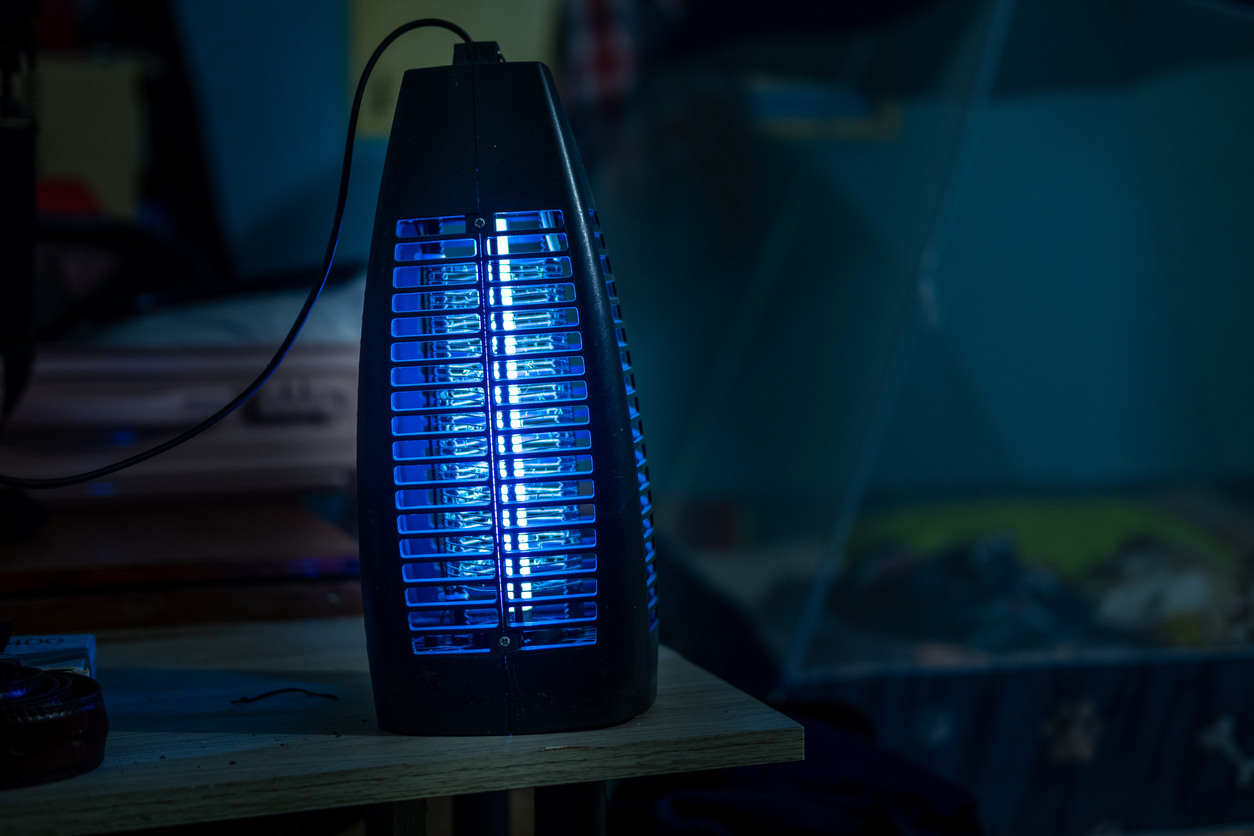
Bug zappers are a staple of backyard hangouts. And while it might be a habit to plug one in before spending some time outside, the truth is, they don’t exactly work as advertised. In fact, bug zappers often attract far more beneficial insects than biting pests.
So before you add one to your summer symphony, here’s what you need to know about how bug zappers really work.
Do Bug Zappers Actually Kill Mosquitoes?
There’s one pest people have in mind when setting up a bug zapper: mosquitoes. And while technically mosquitoes can end up flying into one, the problem is that they aren’t particularly attracted to them.
Most bug zappers use ultraviolet (UV) light to lure insects toward an electrified grid. This attracts plenty of flying insects, but mosquitoes primarily rely on body heat, carbon dioxide, and scent to find their targets. That's why a mosquito is much more interested in you than the glowing blue light in the corner of your yard.
As a result, mosquitoes are in the minority of insects that end up in bug zappers. So if you thought a busy night of zapping was helping your mosquito problem, it’s mostly targeting insects that weren't bothering you in the first place.
 What Bugs Are Attracted to Bug Zappers?
If not mosquitoes, what are bug zappers catching?
Pretty much everything else.
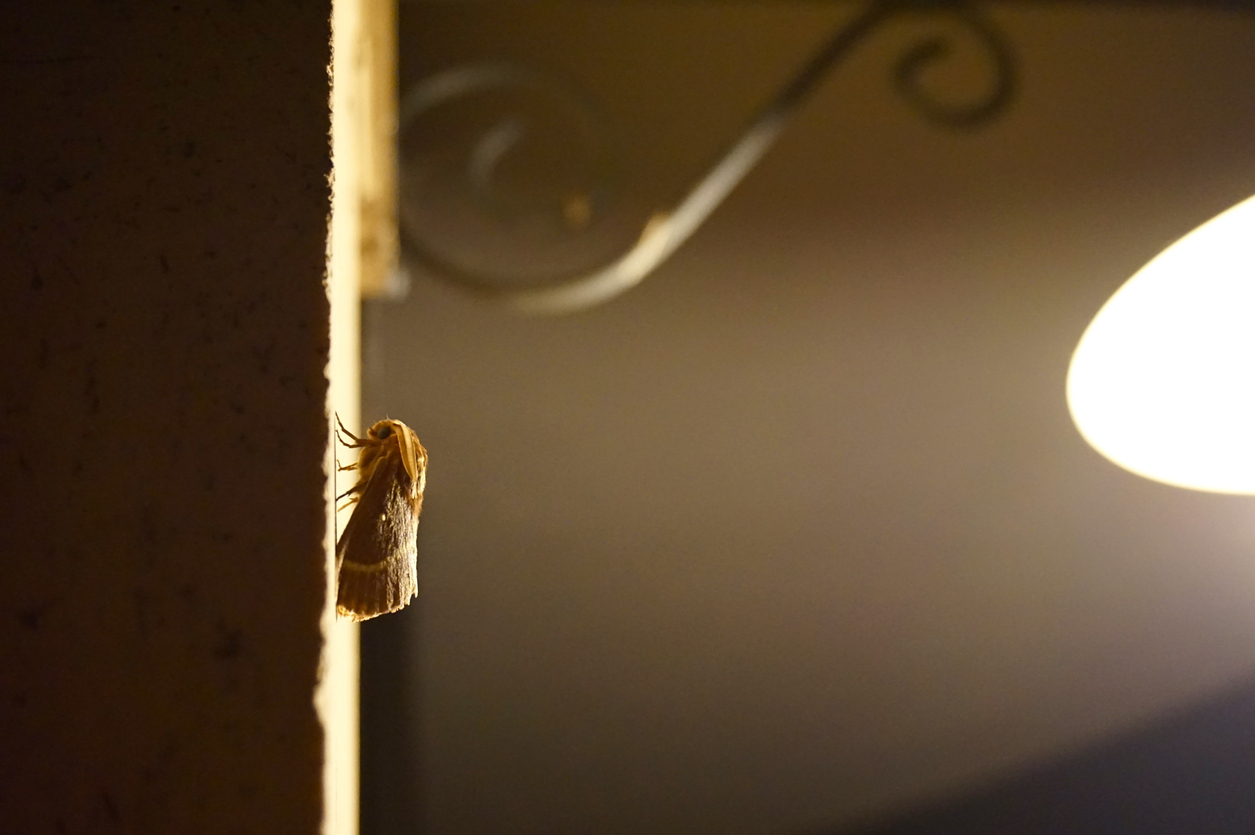
One of the biggest downsides to bug zappers is that they don't discriminate. Moths, beetles, lacewings, caddisflies, and other insects that fly at night are all commonly attracted to bug zappers. If it’s a bug that likes light, it's a potential target.
This creates a bit of an issue, because many helpful insects prey on mosquito larvae and other pests. Dragonflies, for example, are well-known mosquito hunters. Certain beetles and other predatory insects also help naturally control pest populations.
Ironically, a device meant to reduce pests like mosquitoes can end up hurting the bugs that actually help get rid of them.
Are Bug Zappers Bad for the Ecosystem?
While a single bug zapper isn't likely to cause widespread damage, it can hurt local ecosystems.
Because they end up eliminating helpful insects, bug zappers can affect pollinators, predators, and other beneficial species that contribute to healthy ecosystems. Over time, reducing these insect populations can ripple through your local food chain.
The risks outweigh the rewards here. Your bug zapper may draw in a few mosquitoes, but it’s targeting some of the very insects that help keep nature running smoothly.
 Better Alternatives for Mosquito Control
If bug zappers aren't the answer, what is?
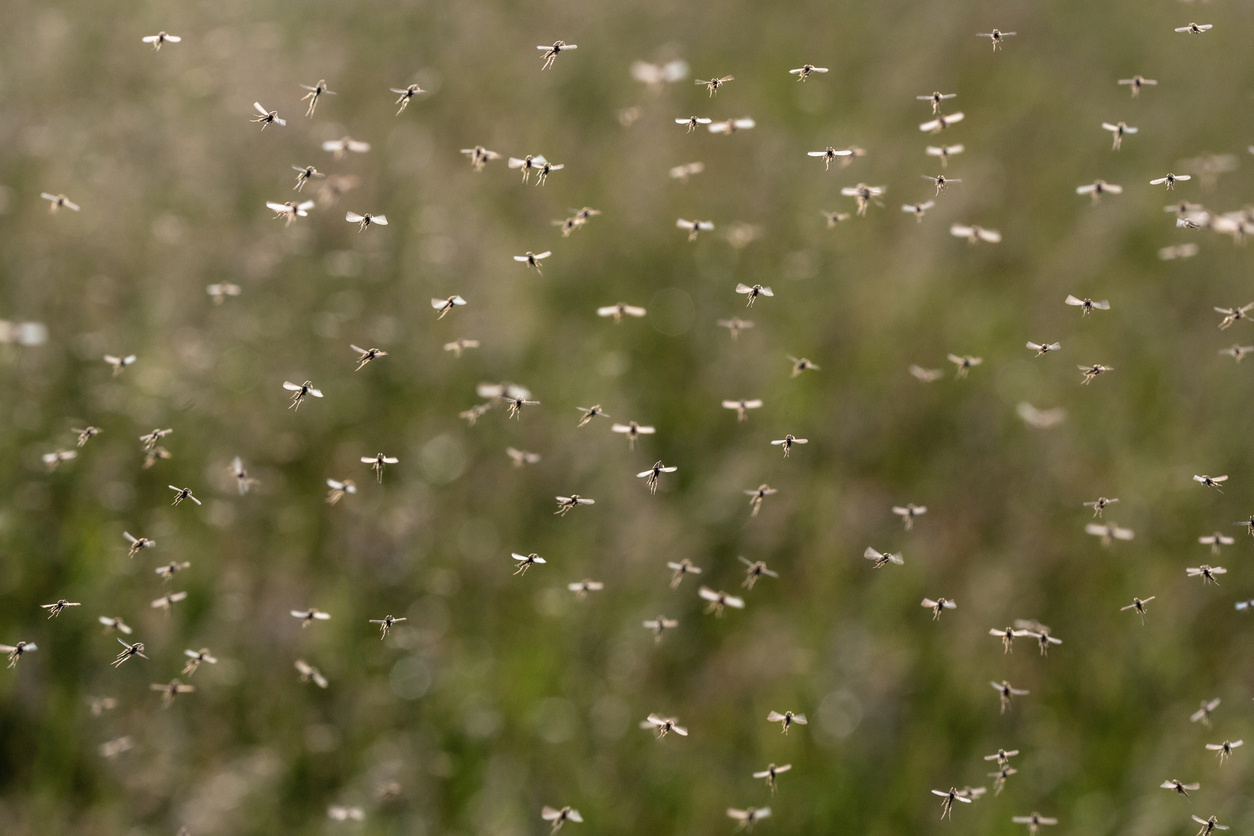
The most effective mosquito control starts with prevention. Mosquitoes need standing water to reproduce, and it doesn't take much. A clogged gutter, forgotten flowerpot, birdbath, or flooded spot in your yard can provide enough water for mosquito larvae to develop.
To reduce mosquito activity around your home:
- Eliminate standing water whenever possible
- Refresh birdbaths regularly
- Keep gutters clear and draining properly
- Maintain your yard to reduce shaded, damp hiding spots
These simple mosquito prevention steps will target the tiny bloodsuckers you want gone much more effectively than a bug zapper.
A More Eco-Friendly Approach
When it comes to pest control, we believe in solving problems without creating new ones. That's why our STEPS® Total Protection System focuses on targeted, environmentally friendly pest management.
Rather than broadly eliminating insects, STEPS® includes inspection, prevention, and carefully selected treatments. Our company-wide commitment is designed to address pest issues while minimizing the impact on people, pets, and the environment.
For mosquito treatment, this looks like identifying and removing breeding areas and applying treatments only where they're most effective. And yes, that means no bug zappers.
It’s Time to Silence Your Bug Zapper
No one wants to listen to a mosquito whining around their ear, but the electric buzz from a bug zapper doesn’t strike the right note either. If you're looking for a more effective and eco-friendly way to enjoy your yard this summer and eliminate your mosquito infestation, contact us for help.




 YouTube
 Facebook
 Twitter