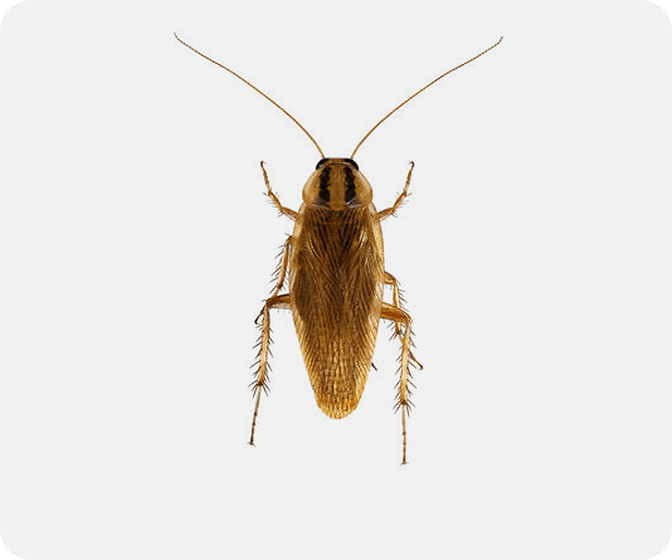
With a penchant for living in bathrooms, drains and dumpsters, cockroaches spread at least 33 kinds of bacteria, six kinds of parasitic worms and at least seven other kinds of human pathogens. They can pick up germs on the spines of their legs and bodies as they crawl through decaying matter or sewage and then carry these onto food surfaces. Germs that cockroaches eat from decaying matter or sewage are protected while in their bodies and may remain for several weeks longer than if they had been exposed to cleaning agents, rinse water or just sunlight and air.
Voracious omnivores, cockroaches are known to feed on plants and meat. Though they have been known to eat dead and living human flesh, they are most likely to chew on fingernails, eyelashes, feet, and hands. Such attacks can cause irritation, lesions, swelling and even minor infection. Preferring exposed or discarded food to human flesh, roaches are most likely to attack humans during large infestations where food sources are limited.