What’s Bugging Your Nose: 6 of the Smelliest Infestations
So, you’ve noticed an odor that’s a little off in your home. Is it just a passing breeze or is there something more sinister lurking beneath the scent? If a strange stench is lingering, it could be a pest infestation.
While you might expect pests to make noise or leave behind a mess, their smell is often one of the first clues they’re around. We’ve put together a list of the most common culprits and how to identify them using your nose.
Roaches
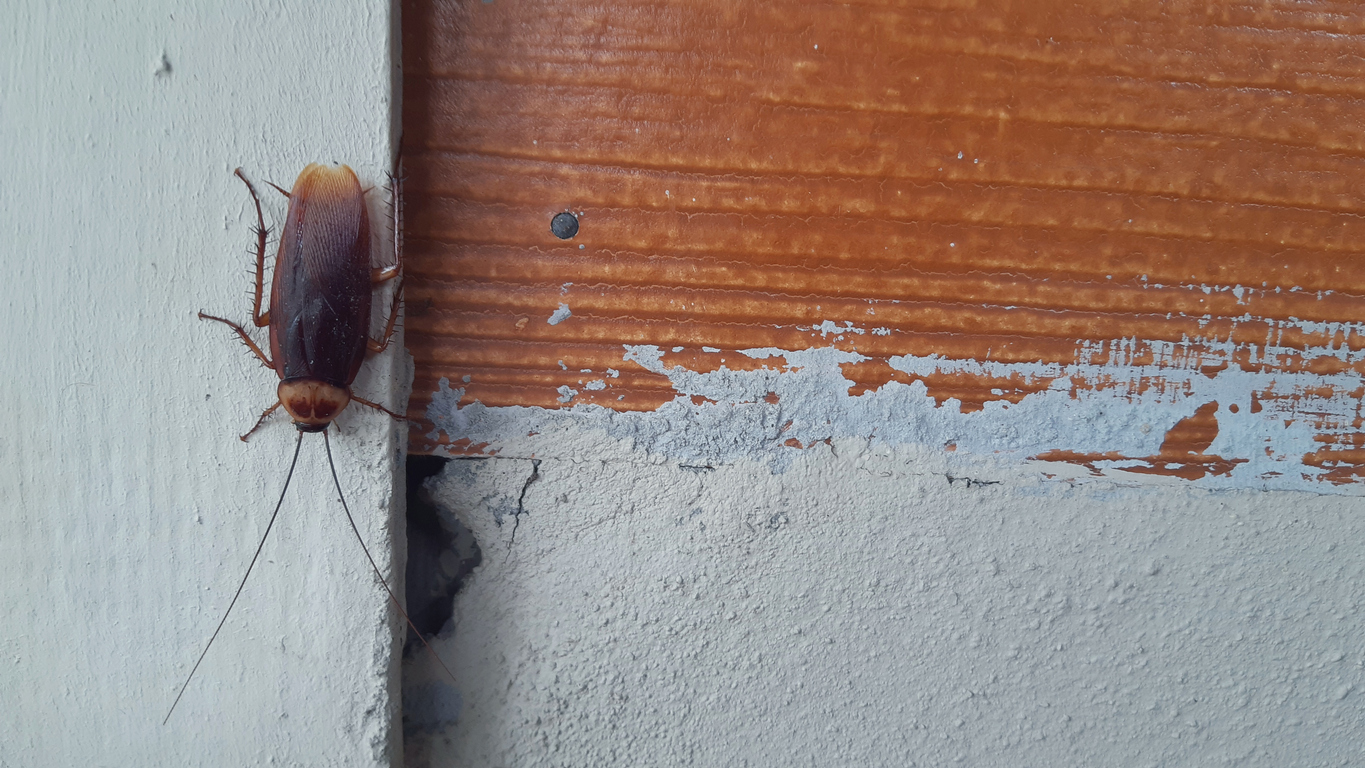
Cockroaches have a telltale smell that’s uniquely oily and musty. The cause of this stench? It’s called oleic acid, a smelly chemical produced when roaches die and decompose that attracts even more of these smelly invaders.
But roaches don’t wait until they’re dead to stink. While alive, they release pheromones to communicate with each other, leaving behind the musty smell in areas they infest. As the infestation grows, the smell becomes stronger and more pervasive, especially when mixed with their droppings and food scraps. These chemicals settle into your home’s surfaces, making the signature cockroach smell difficult to remove even after they’re gone.
Termites
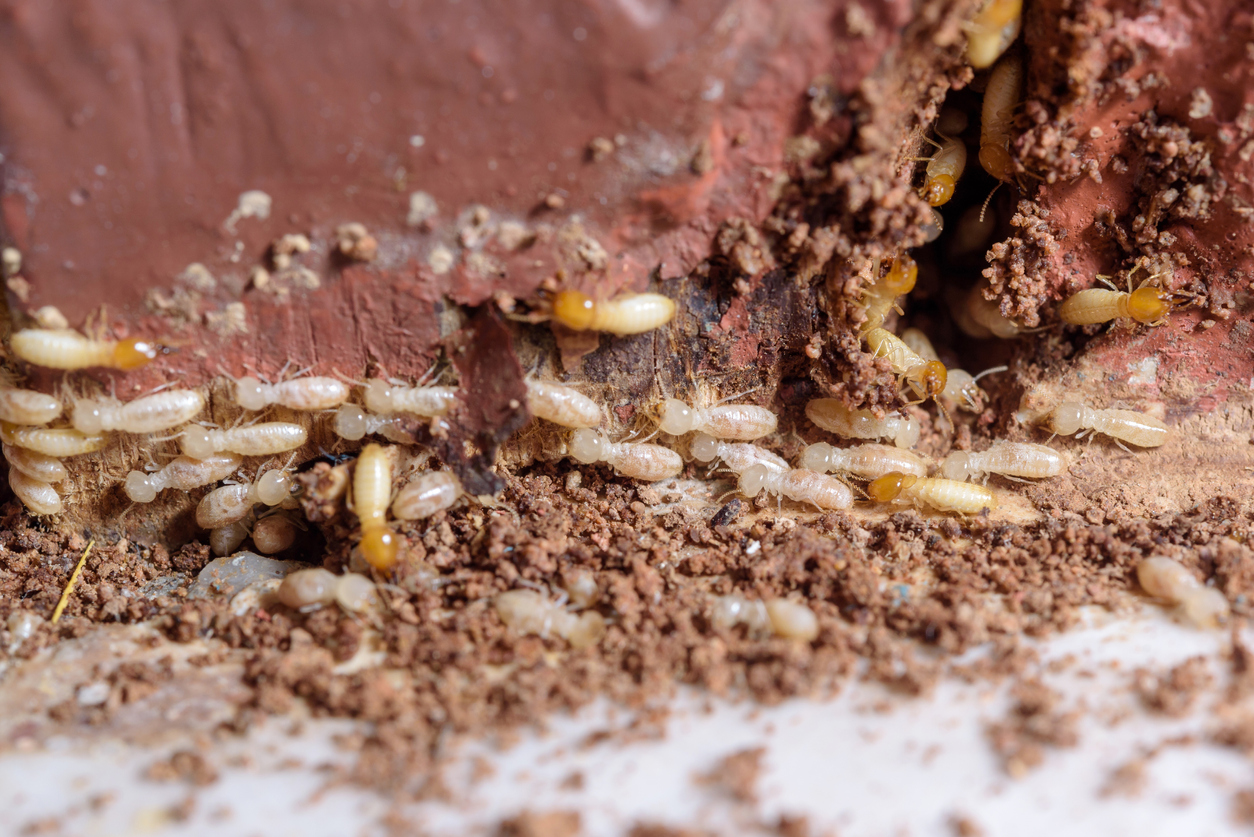
If you’re wondering whether termites have an odor, the answer is yes — and it’s not a pleasant one.
A termite infestation can smell like mildew, damp wood, or mold. This happens because termites are often found in wet environments. Many species build mud tubes underground, and others feed on damp or decaying wood. The moisture they bring into your home creates a distinct musty smell, often mistaken for water damage. If you detect a mildew odor but can’t find any mold or leaks, it could be termites lurking in your walls or floors.
Rodents
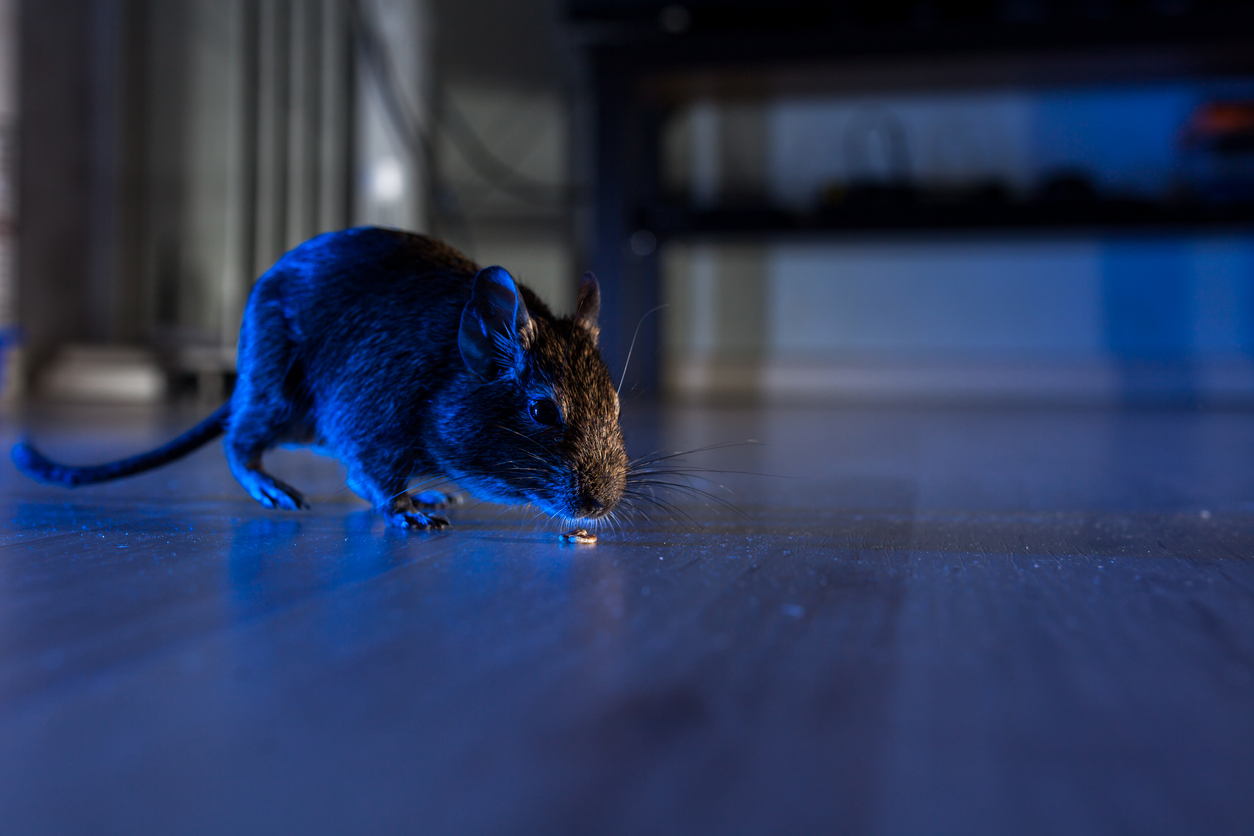
If you think you smell a rat, you might be right. A rodent infestation typically reeks of urine, must, and ammonia. Rodents aren’t known for their cleanliness, and they leave droppings wherever they go. They also mark their territory with urine, using the scent to let other rodents know where they’ve been.
To make matters worse, mice and rats don’t just stink when they’re alive — they emit strong odors when they’re dead, too. Since rodents prefer to crawl into dark corners to die alone, their bodies often end up trapped behind walls and in small, cramped spaces that are hard to reach. The rotting smell of death this creates with decomposing chemicals like sulfur dioxide and methane is one of the most unforgettable scents you’ll ever sniff.
Bed Bugs
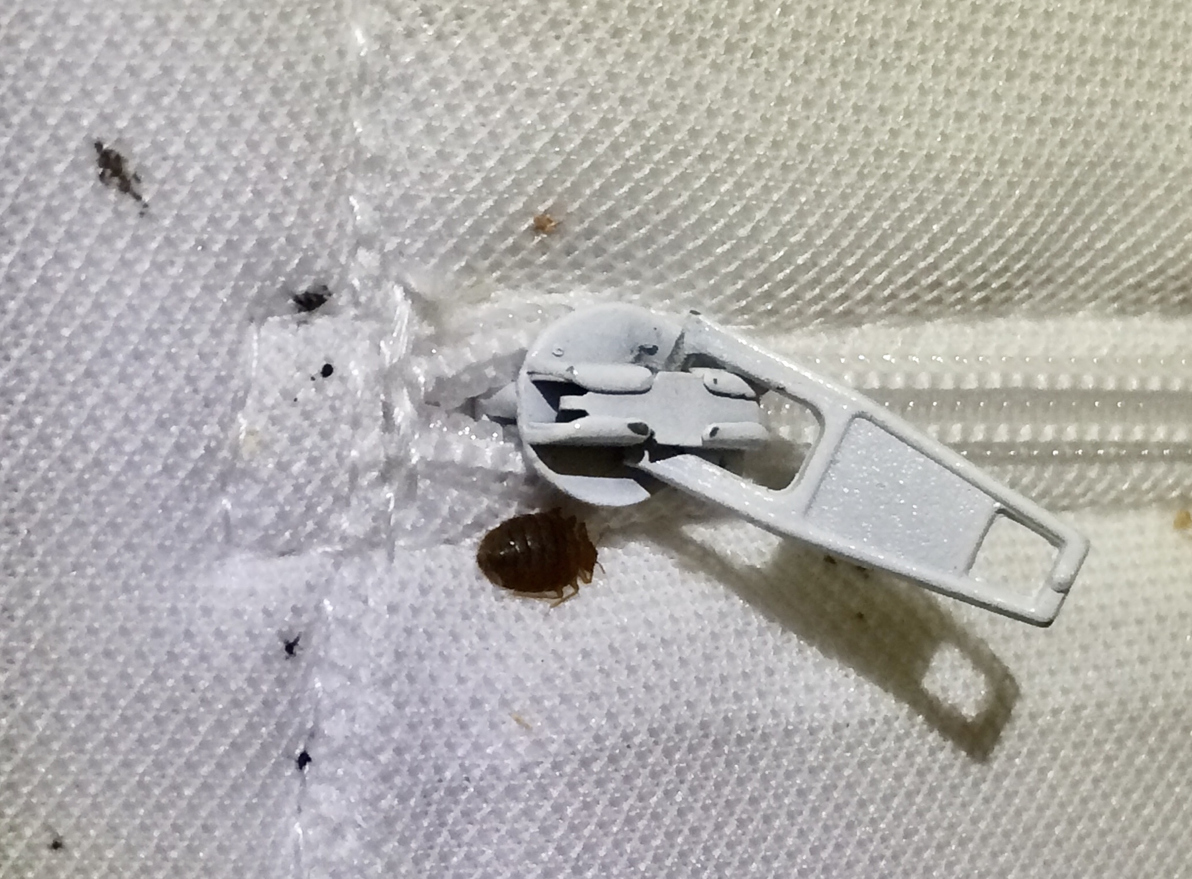
Bed bugs aren’t just itchy — they’re stinky, too. Like a lot of other pests, they use scents like humans use language. Bed bugs communicate by releasing hormones such as histamine to navigate and pheromones to warn other bugs about potential dangers. Unfortunately, these chemical conversations can reek!
Some people say their bed-bug-infested house smells musty, sweet, or even similar to rotten berries. Others describe it as a cilantro-like stench. If the bed bug population in your home is big enough, you’ll probably see them before you detect a scent.
Odorous House Ants
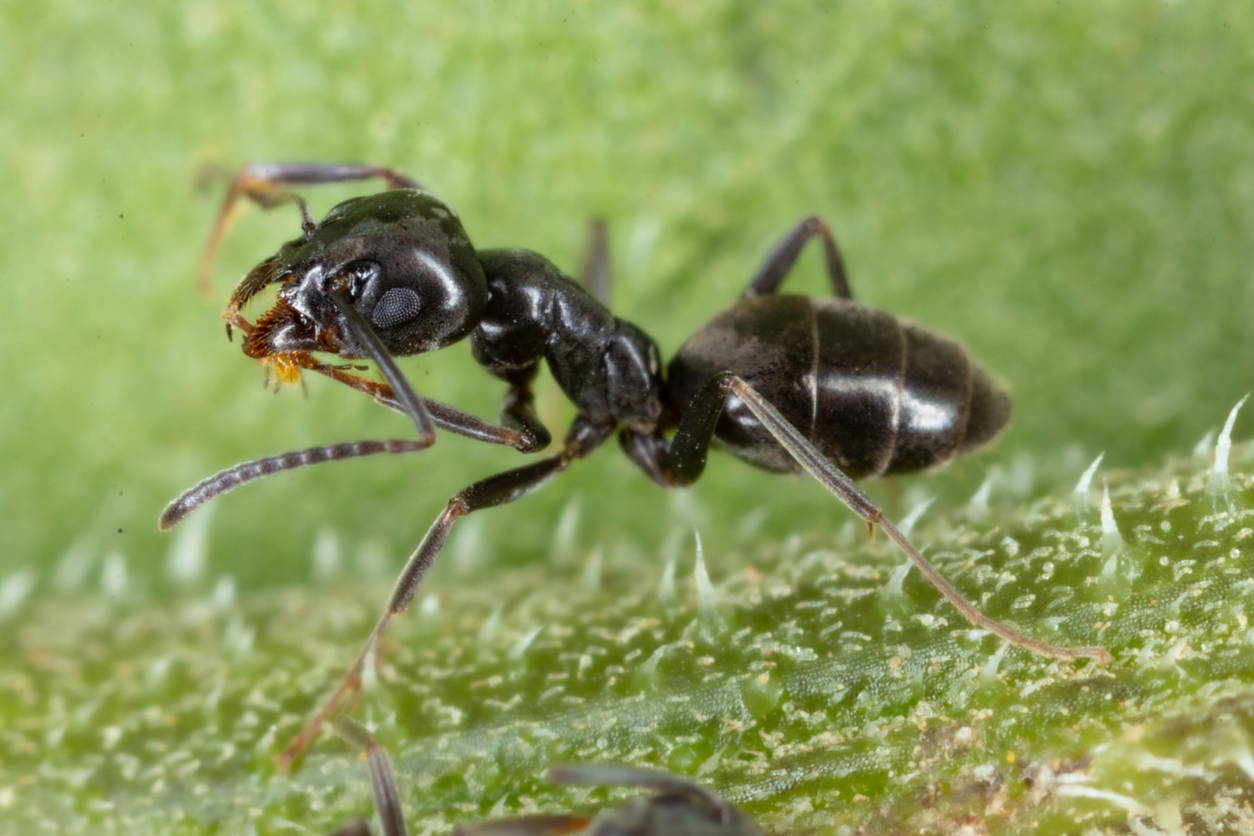
They may be small, but odorous house ants pack a big punch when it comes to smell. Crush one, and you’ll quickly understand how they got their name. These ants release a rotten coconut-like odor when disturbed or squished. The smell comes from the ants’ glandular secretions, which they produce as a defense mechanism against predators. While you’re unlikely to smell them if there are just a few ants around, a full infestation can result in a noticeable, unpleasant scent in areas where they nest and search for food.
Skunks
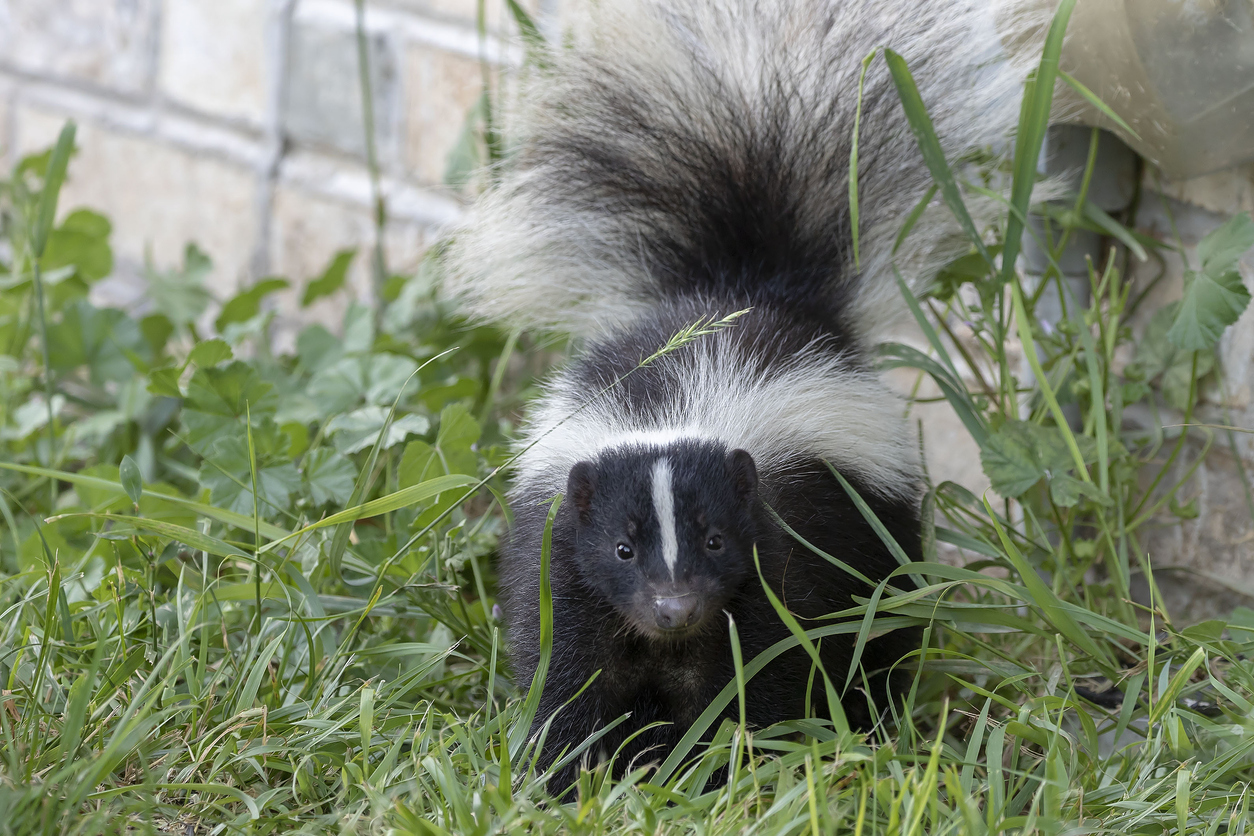
With a smell that needs no introduction, skunks are notorious for the noxious odor they produce when threatened. In suburban and rural areas, skunks can take up residence under decks, in sheds, or crawl spaces — and when they spray, the pungent scent can linger for weeks. Skunks emit a sulfur-based compound called thiols, which is responsible for the unmistakable rotten egg smell. In addition to their spray, skunks leave behind droppings and urine, adding to the overall stench. If you notice a skunk-like odor near your home, you might have an unwelcome guest under your house.
We can help
Still wondering what that smell is? Stop plugging your nose and contact us to get rid of the source of your home’s stink today.