

Who’s Moving In? The Wildlife Looking for a Winter Home
As the leaves begin to change color and the temperature drops, we start closing windows, turning up the heat, and settling in. But while you’re pulling out sweaters and preparing your home for cooler weather, local wildlife is making its own winter preparations, and your attic may be on the list.
Fall is the perfect time for critters to begin the house hunt. As cool winds roll in and food resources dwindle, mice, squirrels, and other animals start looking for a dry, cozy place to shelter. Basements, attics, crawl spaces, and storage areas can become residences for these little squatters. And once they move in, they’re not looking to leave anytime soon.
That’s why prevention is key to keeping your home critter-free.
It’s Open House Season
After a long summer of soaking up the sun and feasting on nuts and berries, fall becomes preparation time for surviving the winter. As temperatures drop, it becomes harder for warm-blooded animals to stay warm. Leaves fall, plants wither, and food becomes harder to find. Some animals are lucky enough to have stored food for the winter. Others are forced to scavenge for whatever is left.
As shelter from the elements becomes increasingly difficult to find, your dry, warm attic can start looking like the perfect place to hunker down.
Meet Your Roommates

The Maximalist – Mice
House mice don’t believe in “too much stuff,” making storage spaces filled with Christmas decorations, forgotten boxes, and other belongings prime nesting spots. They can squeeze through holes barely visible to the human eye and make themselves at home using insulation, cardboard, and other soft materials.
The Prepper – Squirrels
Gray squirrels are notorious for stashing their snacks for the winter. Instead of keeping their hoard in the dirt, they may leave piles of nuts, acorns, and seeds from your bird feeder in attics, exterior walls, and crawl spaces. And when their storage space starts to fill up, they may chew through trim and siding to create alternate entrances.

The Renovator – Raccoons
Raccoons love to do some demolition. Whether they’re smashing bird feeders or uprooting gardens, these masked rascals can leave a trail of destruction in their wake. If they take shelter inside your home, they can severely damage crawl spaces and attics by chewing through walls, sheetrock, and even support structures.
The Party Animal – Rats
Norway rats and roof rats don’t believe in small gatherings. These communal creatures can live in colonies numbering more than 100, depending on available food and space. With strong incisors capable of chewing through plastic, wood, and even some types of piping, rats can cause serious damage to basements, crawl spaces, and attics.

The Do Not Disturbers – Bats
Little brown bats are serious about their beauty sleep. As hibernators, they sleep through much of the winter. And once they settle into attics, chimneys, or other protected spaces, they can become dormant until spring. Contrary to popular belief, even sleeping bats have to get up occasionally to take care of business, leaving behind bat guano that can corrode wood and drywall and contribute to mold growth.
The Couch Surfer – Opossums
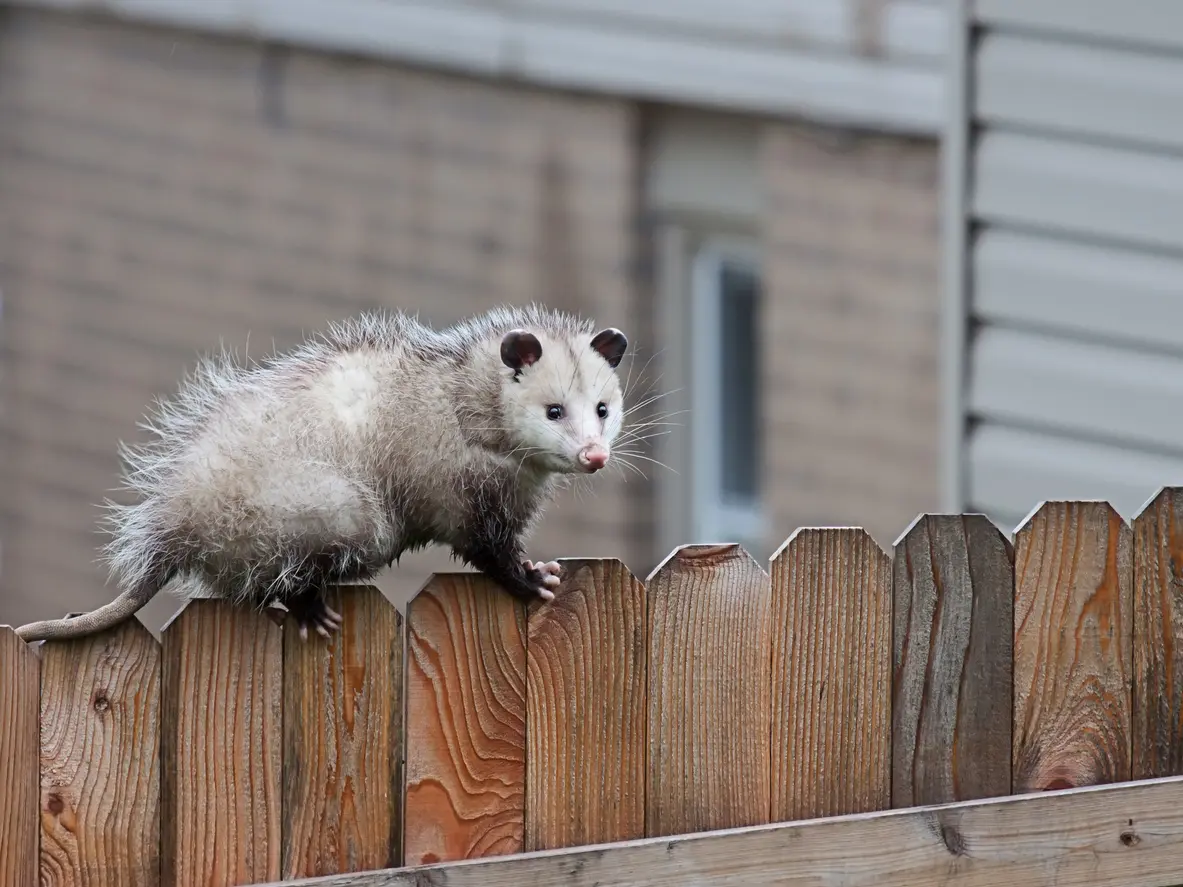
Opossums are typically transient, meaning they don’t stay in one place for too long. These marsupials may take shelter in crawl spaces, attics, and underneath decks to escape harsh temperatures. Their hairless ears, tails, and paws are particularly vulnerable to frostbite, making a warm shelter especially appealing during colder months.
How Are They Getting the Keys?
More often than not, small gaps and holes serve as open doors for rodents and bats. Although they may look too small for an animal to fit through, mice and rats can squeeze through openings as small as a dime.
Some critters are a bit more persistent. If squirrels and rats can’t find an opening, they may resort to chewing through siding, vents, and other materials. Raccoons, meanwhile, can pry at loose panels and vents to reach warm, sheltered spaces inside homes.
Fortunately, there are precautions you can take to keep these critters from turning your house into their home.

Keep Your Home Off the Market
1. Look for gaps or holes
Search areas inside your home, including under kitchen cabinets, inside closets, behind appliances, in the attic, in the basement or crawl space, and other less-frequented areas. Openings may also appear outside your home, including along the roof, around windows and doors, beneath the foundation, and near vents.
2. Seal gaps
Once you’ve found any openings, seal them to prevent rodents and other wildlife from getting inside. For small holes, fill them with steel wool and secure them with caulk or spray foam. For larger openings, consider materials such as lath screen, metal, cement, hardware cloth, or metal sheeting. Always ensure that no wildlife remains inside before sealing.
3. Secure food and water sources
Rodents are attracted to food and water, especially during the winter when resources are scarce. To keep them from raiding your pantry, store food in thick plastic, metal, or glass containers with tight-fitting lids. Clean up spills right away and wash dishes soon after use. Even after disposal, food can still attract wildlife if garbage isn’t stored in thick plastic or metal containers with secure lids.
4. Minimize outdoor nesting and food sources
Bird feeders close to your house, wood piles stacked against the siding, and unprotected garbage can all act like for-sale signs outside your home. Critters searching for the perfect winter cottage will see those signs and start packing.
Act Before They Sign the Lease
Prevention is the key to locking out unwanted critters before they settle in for the winter. Because once they make themselves at home, they can be difficult to evict.
If you find signs that they’ve already moved in, from droppings and chew marks to strange noises, contact us for a quick and efficient roommate removal.