

Haunted or Infested? The Creepy Clues Hiding in Your House
Strange noises in the walls or attic. Unexplained odors that seem to come from nowhere. Spiderwebs in every corner, chewed wires, or pets acting like they see something you can’t. Sounds like a textbook haunted house. But before you blame ghosts for taking up residence, consider another possibility: pests.
Many home infestation signs can be easy to miss or mistake for something else. Catching them early can help prevent minor pest problems from turning into costly damage. Here, we’ll break down the eerie clues pests leave behind, what they actually mean, and when it’s time to call in the professionals.
Things That Go Bump In The Night
Scratching behind the drywall. Scurrying across the ceiling. Faint squeaks or mysterious ticking sounds after dark. If your house seems to come alive when the lights go out, you might have more than a ghost on your hands.
Different noises can point to different intruders. Scratching, gnawing, and scurrying in walls or attics often signal mice or rats moving around or nesting nearby. Squirrels and other wildlife can make similar sounds overhead. You might even hear scratching as rodents gnaw on materials or move through insulation.
These sounds are worth investigating. Rodents can chew through electrical wiring, damage insulation, and contaminate areas with droppings and urine. The longer they go unnoticed, the more opportunities they have to cause damage and reproduce.
What should you do? Pay attention to when the noises occur and where they seem to originate. Rodents are often active at night, so noting the timing and location can help you narrow down the source.

The Monsters That Leave Their Mark
Strange marks around the house can make it seem like something sinister has been lurking in the shadows. But before you assume the worst, take a closer look at those scratches, gnaw marks, and unexplained damage.
The type of damage can offer clues about who’s responsible. Mice and rats leave gnaw marks on wood, plastic, and other materials as they wear down their constantly growing teeth. Termites eat wood from the inside out, sometimes leaving the surface deceptively intact. Carpenter ants, on the other hand, excavate wood to build their nests rather than eating it. Squirrels may also chew through wooden structures or attic materials to create nesting spaces.
The consequences can go beyond cosmetic damage. Chewed electrical wires can increase the risk of electrical fires, while wood-destroying insects can weaken structural components over time. Damaged insulation can also affect your home’s energy efficiency.
What should you look for? Examine the damaged area closely. Small piles of sawdust-like material, discarded insect wings, or mud tubes along a foundation may offer additional clues about wood-destroying pests. Photograph the damage and check whether it changes or spreads over time.
A Haunting Smell You Can’t Explain
Legend has it that the smell of sulfur means something sinister is nearby. But if an unexplained stench has taken over your home, the culprit might be a little less supernatural.
Pests can leave behind some seriously unpleasant odors. Mice and rats produce urine and droppings that can create a strong, ammonia-like smell, especially when they gather in enclosed spaces. A dead rodent trapped inside a wall can produce a persistent stench, while large cockroach infestations may create a musty, oily odor.
Unlike a scratching sound or a visible bite mark, a lingering odor can point to activity hidden from view. It may indicate a nest, accumulated waste, or a dead pest in an inaccessible area. Rodent waste can also carry harmful pathogens, making it important to handle any cleanup carefully.
What should you do? Try to pinpoint where the smell is strongest. An odor concentrated near a wall, cabinet, or rarely used space may help you identify where to investigate for signs of pest activity.

Spooky Sightings in Every Corner
One of the creepiest parts of a supposedly haunted house is never knowing what’s lurking just out of sight. But if unexplained signs keep appearing around your home, the presence you’re sensing might have a much more ordinary explanation.
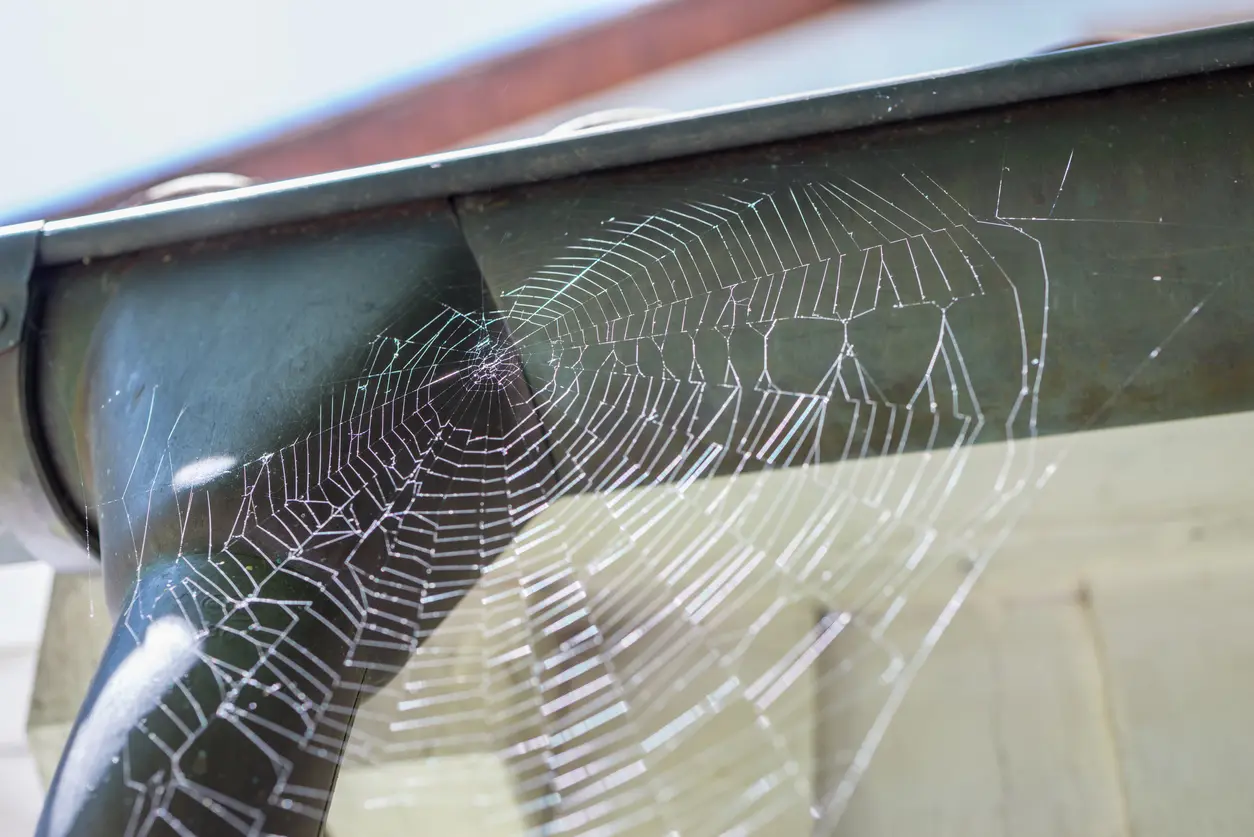
Droppings, shed skins, and egg cases can reveal more than the fact that a pest has passed through. Small, dark droppings may point to mice, while cockroach droppings can resemble black pepper or coffee grounds. Shed skins and egg cases can indicate that insects are developing or reproducing nearby. Spiderwebs tucked into undisturbed corners are often harmless, but numerous webs may indicate that spiders have a steady food supply.
So how can you tell if your house has a pest problem or just a stray visitor? One insect that wanders indoors doesn’t necessarily mean there’s a problem. The early warning signs of common household bugs to watch for are repeated sightings, egg cases, shed skins, or evidence appearing in multiple locations.
What should you do? Take note of the type and number of pests you find, along with where you find them. If possible, photograph unfamiliar insects or their evidence so you can identify them more accurately.
When Your Pet Sees Something You Can’t
Your dog suddenly fixates on an empty corner. Your cat keeps pawing at the same cabinet. Your usually relaxed pet starts pacing around a particular room. If your furry friend seems to be reacting to an invisible presence, they might be picking up on something you’ve missed.
Pets have sharper senses of smell and hearing than humans, so they may notice faint scratching sounds or pest odors before you do. Rodents moving inside walls and insects hiding in cabinets or crawl spaces can attract their attention.
Of course, unusual behavior isn’t proof of an infestation. But if your pet repeatedly reacts to the same area, it may be worth investigating what’s behind the wall, beneath the furniture, or inside that cabinet.
What should you do? Observe where your pet focuses its attention and check the area for other clues. Their behavior may help you decide where to look next.

When It’s More Than a Haunting
Not every strange noise or unexpected bug means your home has an infestation. But recurring signs deserve attention, especially when you notice multiple clues pointing to the same problem.
Preventing pests starts with making your home less accessible and appealing. Seal gaps around doors, windows, pipes, and utility lines. Store food in airtight containers, address moisture issues, and keep clutter to a minimum. Avoid sealing entry points until you’ve confirmed that pests or wildlife aren’t trapped inside.
If signs persist despite your efforts, or you suspect a larger infestation, a professional can help identify the pest, locate its source, and determine the right treatment.
Don’t Jump To Haunting Solutions
Before you call in the ghost hunters, consider a more earthly explanation for those strange noises, unexplained odors, and mysterious marks around your home. Pests can leave behind some pretty spooky signs, but you don’t have to solve the mystery alone.
Contact us to uncover what’s really lurking in your home and get a plan to send unwanted guests packing.