Cave Cricket

Tachycines asynamorus

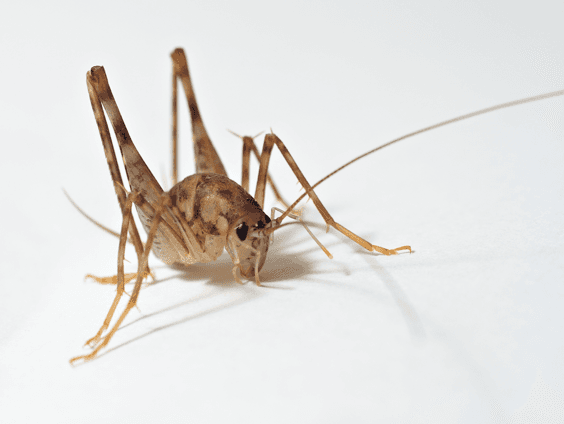
Cave crickets, also known as camel crickets, camelback crickets, spider crickets, criders, and sprickets, are nocturnal crickets easily identified by their severely curved backs, round bodies, and long spindly legs. Cave crickets are found worldwide and thrive in cool, dark environments. Cave crickets are “accidental invaders”, meaning they typically don’t enter buildings or homes intentionally; however, once they take up residence inside, they can breed rapidly.

How to Identify a Cave Cricket

Color
Light to dark brown, often mottled with dark bands on some segments
Shape
Humpbacked with long, very enlarged hind legs and long, thin forelegs, no wings
# of Legs
6
Antennae
True

Are Cave Crickets Dangerous?

Cave crickets do not pose any health threats to humans or pets. They are not venomous nor are they known to carry any diseases. However, they have been known to damage clothing and other fabrics like curtains when other food sources are scarce.


What Do Cave Crickets Eat?

Cave crickets typically consume wood, fungi, other insects, and even other crickets in some instances. When cave crickets find themselves indoors and their normal food sources are running low, they may also feed on fabric such as carpet, towels, and curtains.


Where Do Cave Crickets Live?

Cave crickets typically live outdoors, where they can be found in moist environments like spaces beneath stones, railroad ties, woodpiles and other debris. Tall grass, dense ivy, caves, and holes in the ground are also common locations to find camel crickets. They can also be found in wells and drainage pipes, or under sheds and air conditioner units.


In especially hot and dry weather, cave crickets may move inside of buildings. Once indoors, they are often found in damp basements, utility rooms, crawl spaces, and garages.


Cave crickets can be found across the U.S. but are especially common in states on the eastern side of the country.


How Do You Get Rid of Cave Crickets?

To prevent cave crickets from entering a building, seal gaps around doors, windows, vents, and pipes. Using a dehumidifier in basements, garages, and crawl spaces will help make those spaces less appealing to cave crickets. If you need help removing cave crickets from a building, contact a local pest professional.


If you’ve spotted camel crickets inside your home, get help from the professionals at Arrow Exterminators using the form below.


Learn More About Occasional Invaders

View All Blogs

The Top 8 States Bugs Love to Call Home

Some states aren’t just great places for people — they’re paradise for pests, too. Warm weather, high humidity, and plenty of food and water sources can turn an everyday backyard into a bug buffet. Whether you’re planning a vacation, thinking about moving, or just curious about what states have the most bugs, we’re here to …

The Surprising Ways Bugs Have Helped Us Build Our World

When you see a bug, what’s the first thing that comes to mind? Is it how annoying they are when they buzz around your head? Or how itchy one of their bites can be?  Chances are, you’re probably not thinking about the surprising role these tiny creatures have played in shaping human history, culture, and …

What Do Roaches Smell Like? Tips to Identify Stinky Pest Infestations

What’s Bugging Your Nose: 6 of the Smelliest Infestations So, you’ve noticed an odor that’s a little off in your home. Is it just a passing breeze or is there something more sinister lurking beneath the scent? If a strange stench is lingering, it could be a pest infestation. While you might expect pests to …

Let's Chat

phone-wh
Call to Schedule Service Today!

Mon – Fri: 8:00 AM – 5:00 PM

search-wh
Get a Free Inspection

Don’t share your home with pests! Schedule a free inspection with a Stark Exterminators professional.

locationIcon-wh
Find Your Local Service Center

Get an Stark Exterminators professional at your door stat by locating a service center near you.